
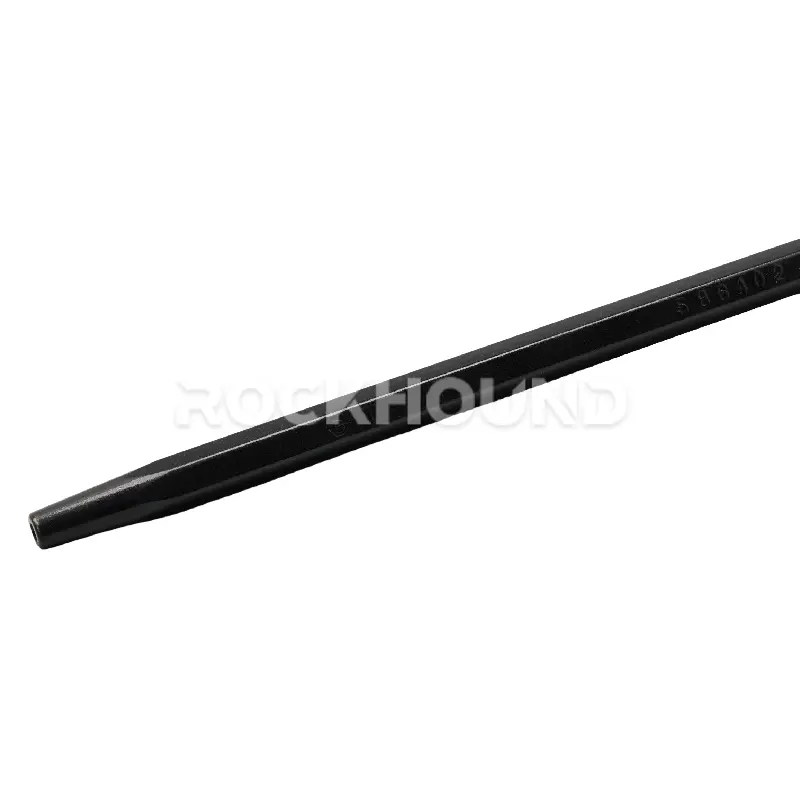
Product Description
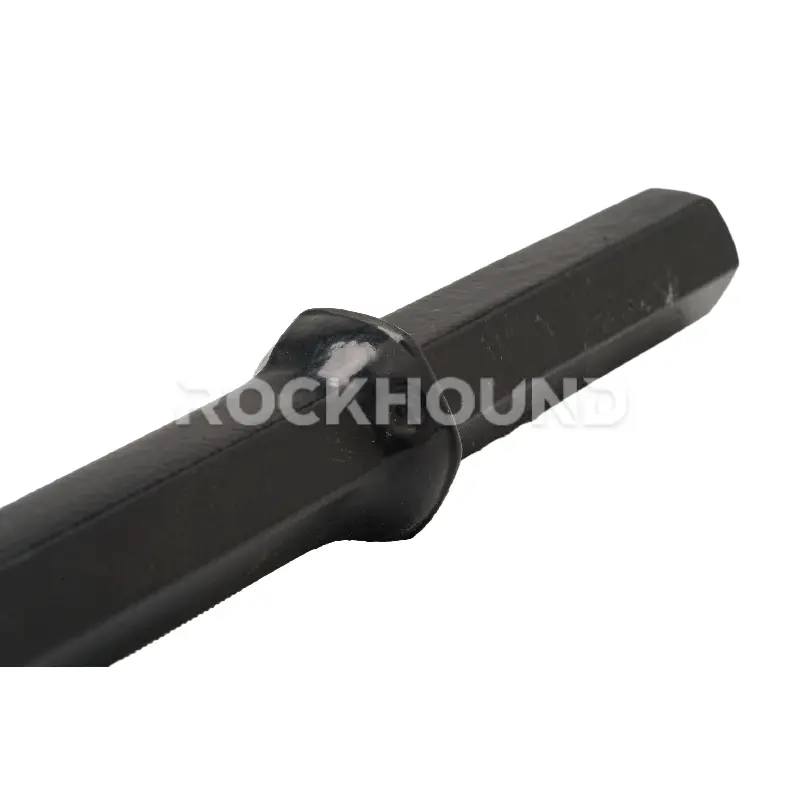
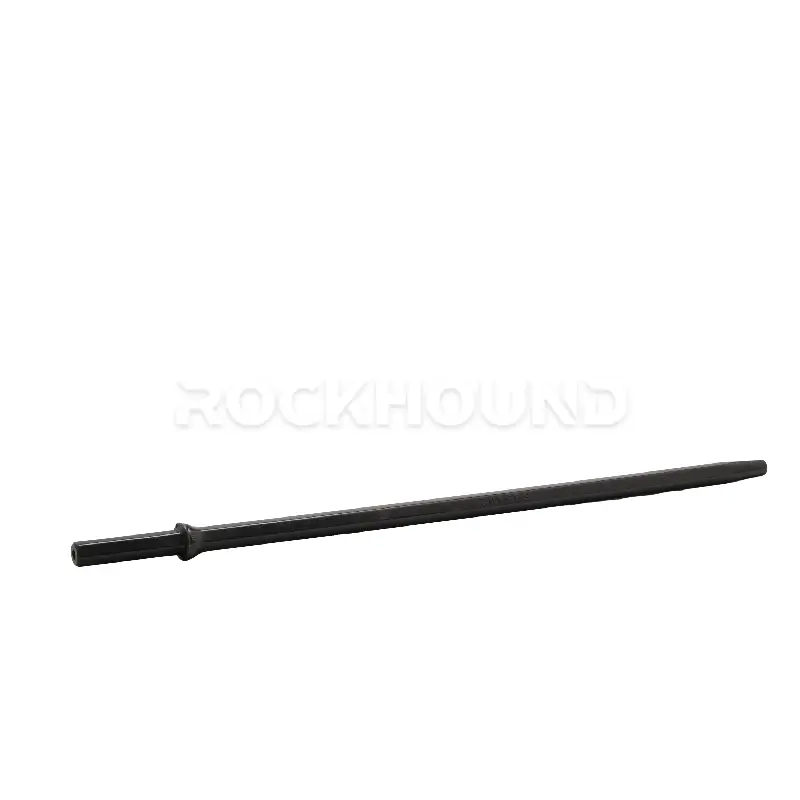
Engineered for high-frequency impact in small-hole percussive drilling, this H25 × 159mm 7° Taper Rod delivers consistent energy transfer from drifter to bit across demanding hard-rock applications. Manufactured from ZK22CrNi3Mo low-alloy drill steel and processed through through-case carburizing plus induction hardening, it achieves an optimal core-to-case hardness profile that resists fatigue fracture without sacrificing toughness.
Available in four lengths from 4,200 mm to 5,500 mm, this rod is fully compatible with YT24, YT28, and YT29 pneumatic drifters and accepts all standard 7° tapered button bits and cross bits.
What Is an H25 × 159mm 7° Taper Rod?
RockHound taper rod (also called a tapered drill rod or integral tapered steel) is the consumable drill steel that transmits percussive and rotational energy from a pneumatic or hydraulic drifter to the drill bit. The designation H25 × 159mm defines two critical dimensional parameters:
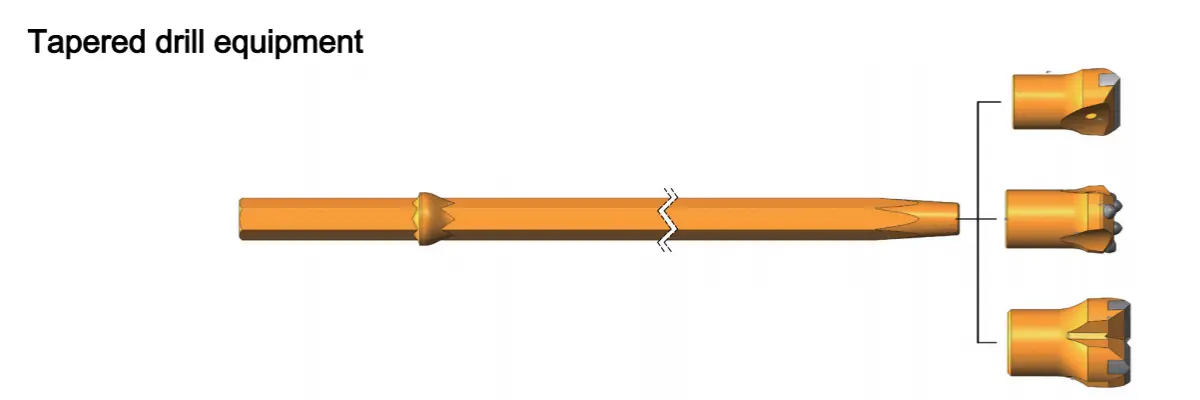
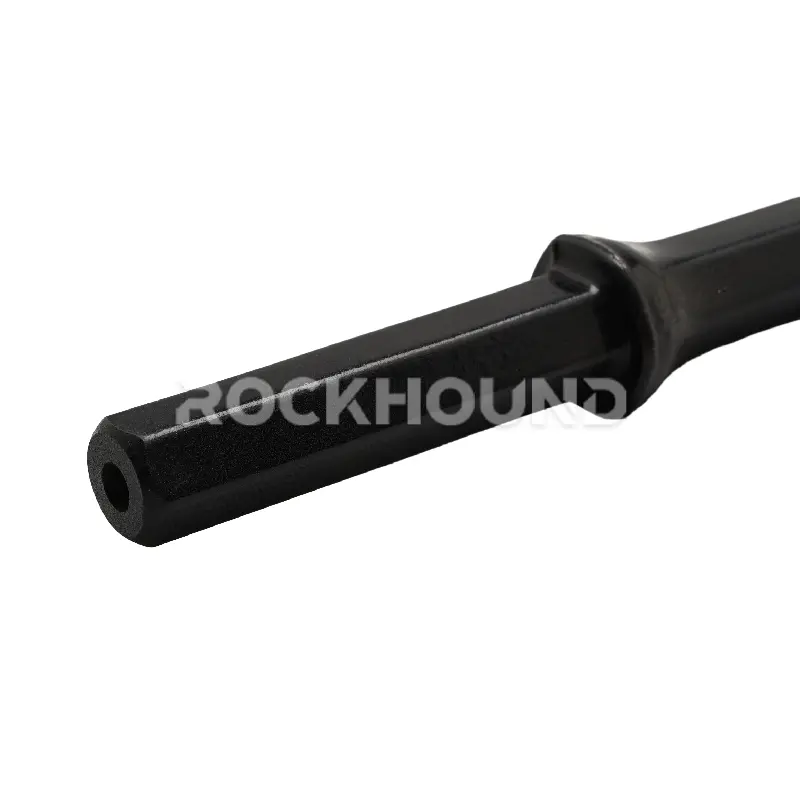
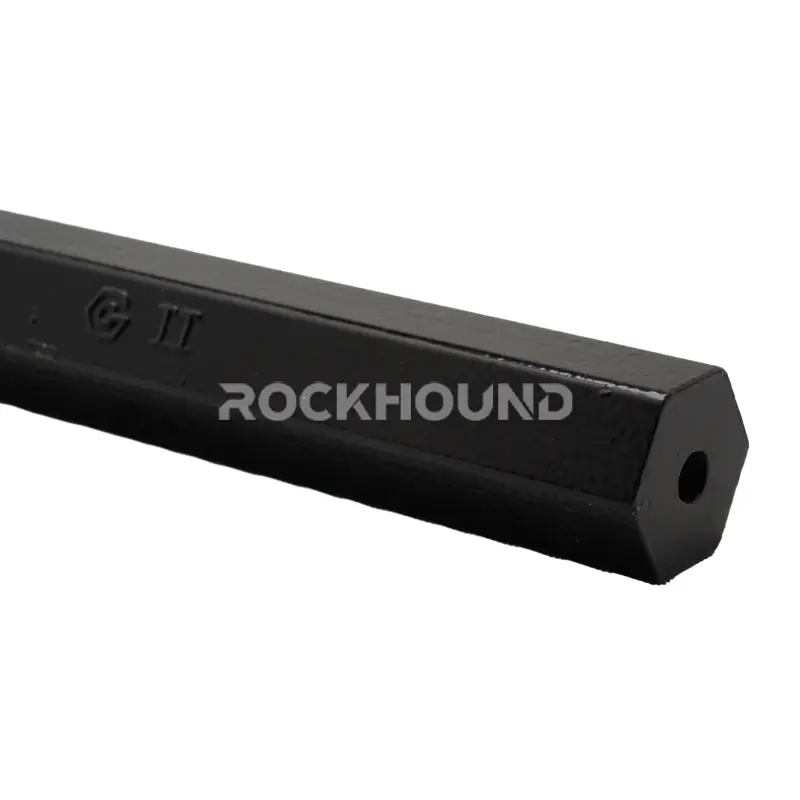
- H25 — a hexagonal (hex) cross-section with a 25 mm across-flats dimension. The hex profile locks into the chuck of compatible drifters to transmit rotation torque without slippage, making it significantly more efficient than round-shank alternatives in high-RPM applications.
- 159mm — the shank collar length, which is the portion of the rod that seats inside the drifter’s chuck and chuck bushing. A 159 mm shank is the industry-standard length for the YT-series handheld and rig-mounted pneumatic drifters widely used in quarrying and small-tunnel face drilling.
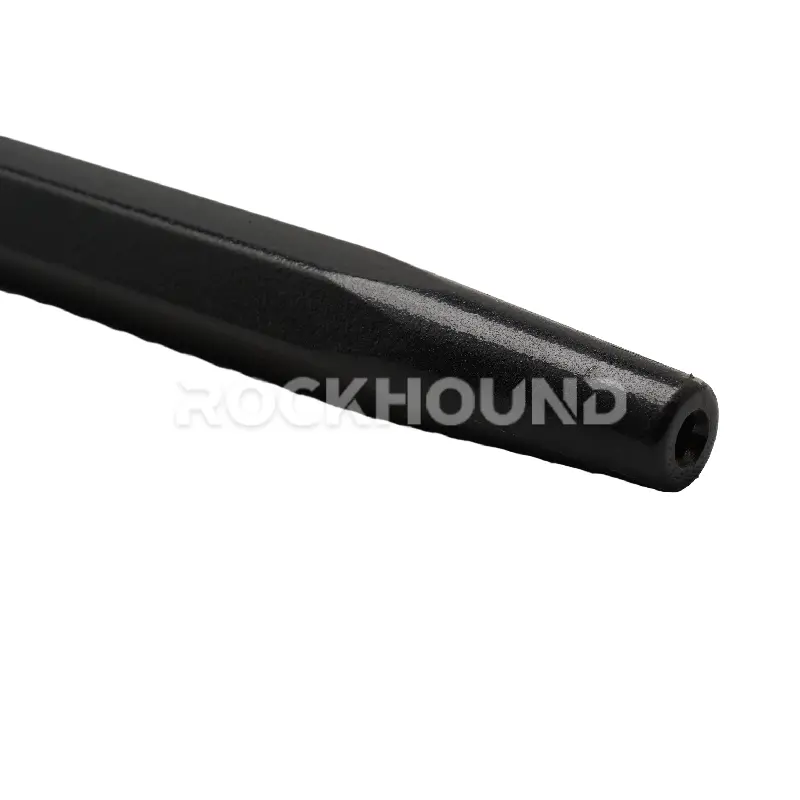
The 7° taper at the bit end is the coupling interface between the rod and the drill bit. This self-releasing angle provides a firm, interference-fit connection under impact load while still allowing quick bit changes without hydraulic pullers — a critical factor for productivity on the drill face.
Material & Heat Treatment
All rods in this range are produced from ZK22CrNi3Mo drill steel (Chinese standard GB/T 5950), a low-alloy, case-hardenable steel specifically developed for percussive drill steel applications. Its composition combines:
- Chromium (Cr) and Molybdenum (Mo) for deep hardenability and temper resistance
- Nickel (Ni) for high core toughness and resistance to brittle fracture under cyclic impact
- A controlled carbon content (~0.22%) that enables through-case carburizing to achieve a hard wear surface (typically 58–62 HRC at the case) while retaining a tough, ductile core (38–42 HRC)
- Explore Why RockHound Choose 23CrNiMo: Rock Drill Rod Material Comparison:23CrNiMo vs Sanbar64
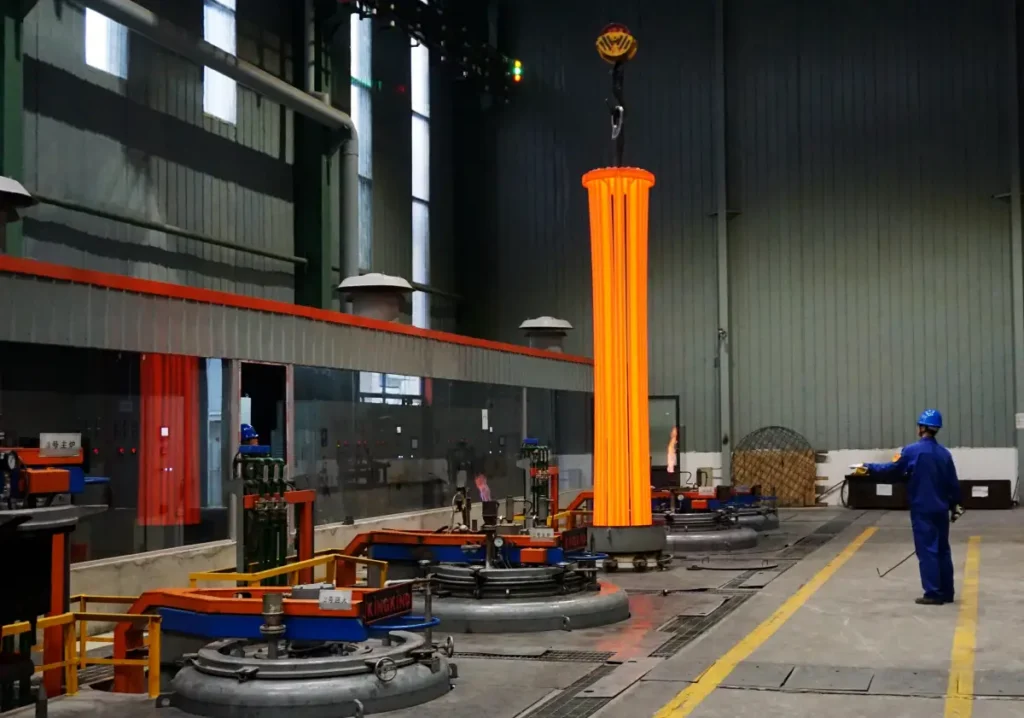
The combination of through-case carburizing and induction hardening on the taper and shank ends produces a rod that:
- Resists abrasive wear at the taper-to-bit contact surface
- Absorbs the high-cycle fatigue load at the shank shoulder without crack initiation
- Maintains flexibility along the rod body to prevent catastrophic bending fracture in off-axis drilling conditions
Related Readings:Taper Drill Rod Manufacturing Process
Key Features
H25 Hexagonal Shank
The hex profile provides a positive rotational drive engagement with the drifter chuck. Compared to round-shank designs, the H25 profile minimises play within the chuck bushing, reduces energy loss at the shank-chuck interface, and extends chuck bushing service life.
7° Self-Releasing Taper
The 7-degree taper angle is the international standard for small-hole percussion drilling. It creates an interference fit with the bit socket that tightens under impact load yet releases cleanly by hand during bit changes — no hydraulic extractor required. Ensure the taper surface on both rod and bit is free from grit, oxidation, and lubricant contamination prior to coupling to maintain full energy transfer efficiency.
Central Flushing Hole
A precision-drilled axial flushing channel runs the full length of the rod. This channel carries compressed air or water flush from the drifter directly to the drill face, evacuating cuttings from the hole bottom and preventing regrinding of debris — a primary cause of accelerated bit wear and reduced penetration rate (ROP).
Controlled Straightness
CNC-straightened during production to a maximum bow tolerance of ≤ 0.2 mm/m. Straightness directly affects hole deviation and bending stress during drilling; out-of-straight rods accelerate chuck bushing wear and increase the risk of rod fatigue fracture.
Specifications
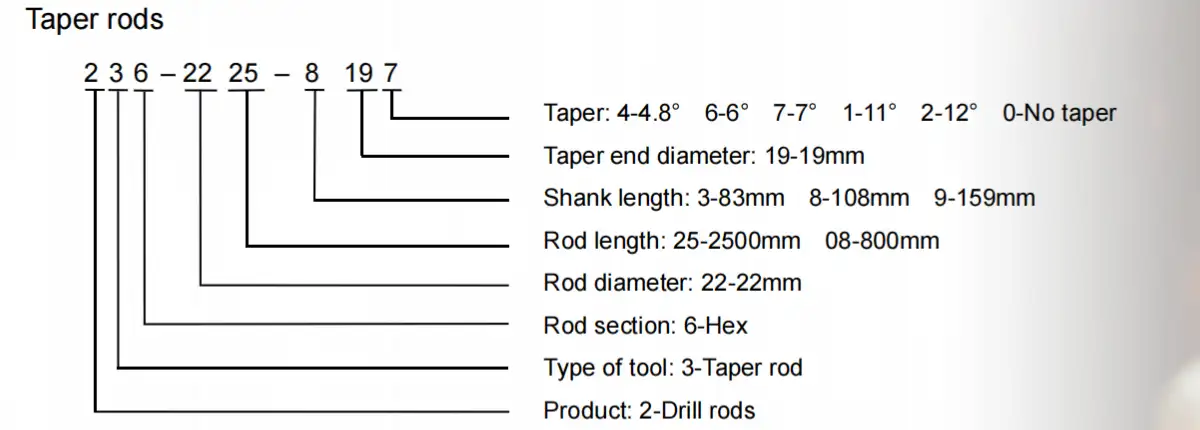
| Product Code | Shank Size | Taper | Length (mm) | Length (ft/in) | Weight (kg) |
|---|---|---|---|---|---|
| 236-2542-9207 | H25 × 159 mm | 7° | 4200 mm | 13′ 9 3/8″ | 16.6 kg |
| 236-2547-9207 | 4700 mm | 14′ 10″ | 18.6 kg | ||
| 236-2550-9207 | 5000 mm | 16′ 4 5/8″ | 19.8 kg | ||
| 236-2555-9207 | 5500 mm | 18′ 0 1/2″ | 21.7 kg |
- Material: ZK22CrNi3Mo low-alloy drill steel (GB/T 5950)
- 20-Hours Heat Treatment: Through-case carburizing + induction hardening at shank and taper
- Taper Standard: 7° included angle (ISO / industry standard for small-hole drilling)
- Cross-Section: Hexagonal (H25, 25mm across flats)
- Compatible Drifters: YT24, YT28, YT29 and equivalent pneumatic drifters with H25 chuck
- Compatible Bits: 7° tapered button bits (Ø32–Ø45mm) and 7° cross bits
Application
This H25 × 159mm 7° Taper Rod is the preferred drill steel for small-hole percussive drilling (typical hole diameter Ø32–Ø45mm) across the following sectors:
Dimension Stone Quarrying (Granite, Marble, Sandstone)
Used for primary splitting rows, plug-and-feather hole sequences, and trim blasting. The 7° taper provides fast bit changes to swap between button bits and cross bits as rock formation changes.
Underground Mining — Secondary Blasting & Development
Suited for pop shooting, toe holes, and short-advance face rounds in narrow-vein and small-cut underground workings where full-length extension rods are impractical.
Infrastructure Construction — Rock Anchoring & Foundation
Used with pneumatic drifters for drilling rock bolt holes (Ø32–Ø40mm) in slope stabilisation, retaining wall anchoring, and micropile foundation applications.
Civil Tunnelling & Roadway Cutting
For face drilling in small-section tunnels and road cuttings using hand-held or column-mounted YT-series drifters.
Compatibility Guide
| Parameter | Specification to Match |
|---|---|
| Drifter Chuck Size | H25 (25mm hex) |
| Shank Collar Length | 159 mm |
| Bit Taper Socket | 7° |
| Recommended Bit Diameter | Ø32 mm – Ø45 mm |
| Flush Medium | Compressed air or water |
| Typical Hole Depth (single rod) | Up to 5.5 m per pass |
Note: For holes deeper than the rod length, switch to a thread rod (extension rod) system with male/female coupling sleeves rather than extending with additional taper rods. Taper-coupled rods are not designed for rod-to-rod extension.
Interchangeability
RockHound H25 tapered drill rods are designed to be fully compatible and interchangeable with industry-leading brands and equipment. They are a cost-effective, high-performance alternative for:
Compatible Rock Drills: Perfect fit for pneumatic handheld rock drills such as Atlas Copco (Epiroc), Sandvik, and Chinese standard models like YT24, YT27, YT28, and YT29A.
Bit Compatibility: Seamlessly connects with all standard 7-degree tapered button bits, cross bits, and chisel bits from major global manufacturers.
Standard Replacement: Direct replacement for part numbers used in international mining and construction projects, ensuring no downtime during rod changeovers.
Selection Guide — Choosing the Right Length
| Drilling Condition | Recommended Length |
|---|---|
| Column-mounted drifter, bench height ≤ 4.5 m | 4,200 mm |
| Column-mounted drifter, bench height ≤ 5.0 m | 4,700 mm |
| Rig-mounted drifter, feed stroke ≤ 5.2 m | 5,000 mm |
| Rig-mounted drifter, feed stroke ≤ 5.5 m | 5,500 mm |
Select a rod length that matches your rig’s feed travel (push stroke). A rod shorter than the feed travel leaves undrilled hole at the bottom; a rod longer than the feed travel risks the shank pulling out of the chuck before the hole is complete.
Maintenance & Service Life Tips
1. Shank Face Inspection
Inspect the striking face (rear end of the 159mm shank) before every shift. A convex “mushroomed” or cracked shank face indicates excessive impact stress — replace the rod immediately to prevent piston damage on the drifter.
2. Taper Surface Cleanliness
Before coupling the drill bit, wipe the 7° taper surface clean of rock dust, rust, and any lubricant residue. Contamination reduces metal-to-metal contact area, lowers energy transfer efficiency, and accelerates taper galling.
3. Axial Alignment
Maintain strict axial alignment between the drifter, drill rod, and rock face. Angular offset greater than 3° induces bending moment at the shank shoulder — the primary cause of premature fatigue fracture in H25 rods.
4. Continuous Flushing
Never drill dry. Continuous air or water flush through the central flushing hole prevents thermal fatigue cycling in the ZK22CrNi3Mo steel and removes cuttings before they are reground, which accounts for up to 30% of unnecessary bit wear.
5. Storage
Store rods horizontally on rod racks in sets of equal length. Vertical storage or stacking without support causes permanent bow. Inspect for straightness before each deployment.
Packaging & Labeling
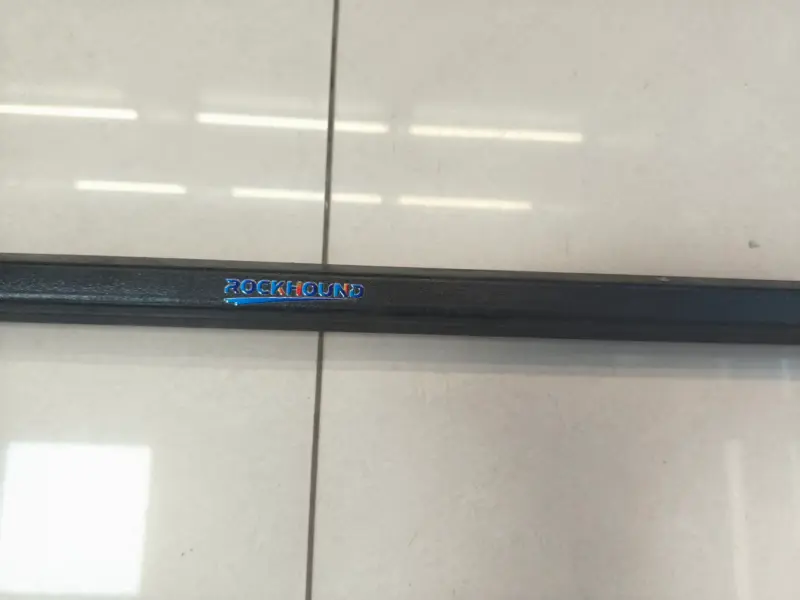
All RockHound rock drilling tools are packaged to industrial export standards, ensuring product integrity from point of manufacture to job site delivery.
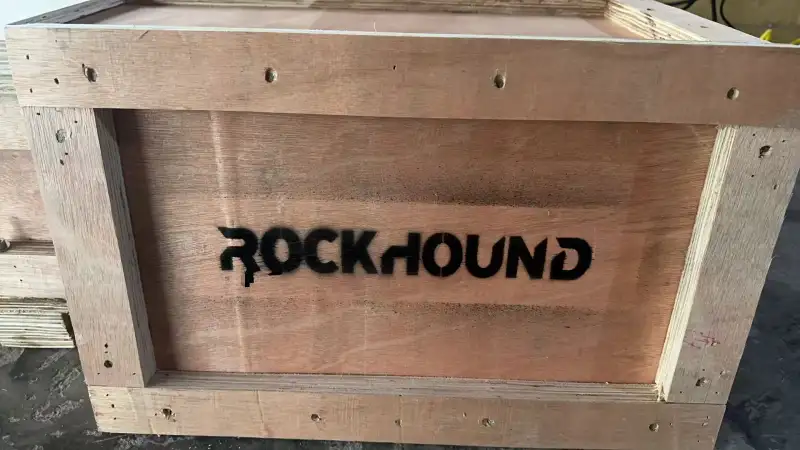
Drill rods are individually labeled with product code, shank specification, length, taper angle, and steel grade, then bundled and secured within a heavy-duty wooden export crate. Each crate is stenciled with the RockHound company logo on the exterior panel for clear brand identification and shipment traceability.
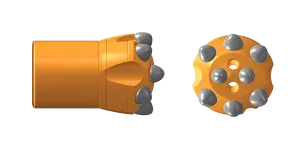
Related Taper Bits
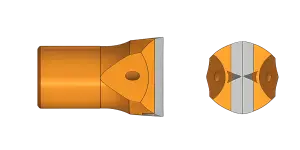
FAQ
A 7-degree taper rod is used in small-hole percussive rock drilling (typically Ø32–Ø45mm hole diameters). The 7° taper at the bit end creates a self-releasing interference fit with the drill bit socket, transmitting percussive energy efficiently while allowing quick bit changes without tools.
H25 designates a hexagonal cross-section with a 25mm across-flats dimension. The hex profile engages the drifter chuck to transmit rotation without slippage and is the standard shank shape for YT24 and YT28 pneumatic rock drills.
ZK22CrNi3Mo is a Chinese-standard (GB/T 5950) low-alloy drill steel specifically formulated for percussive drill rods. Its chromium, nickel, and molybdenum alloying provides the combination of high surface hardness (from carburizing) and tough core (from the nickel content) required to survive millions of impact cycles.
No. Taper rods are not designed for taper-to-taper rod extension. For holes deeper than a single rod length, a threaded extension rod system (with coupling sleeves) is required. Attempting to couple taper rods end-to-end will result in eccentric loading and rod fracture.
Any drill bit with a matching 7° female taper socket will fit. Common compatible bit types include tapered button bits (ballistic or spherical buttons, Ø32–Ø45mm) and tapered cross bits (Ø32–Ø38mm). Always verify that both the rod taper angle and the bit socket angle are specified as 7° from the same standard.