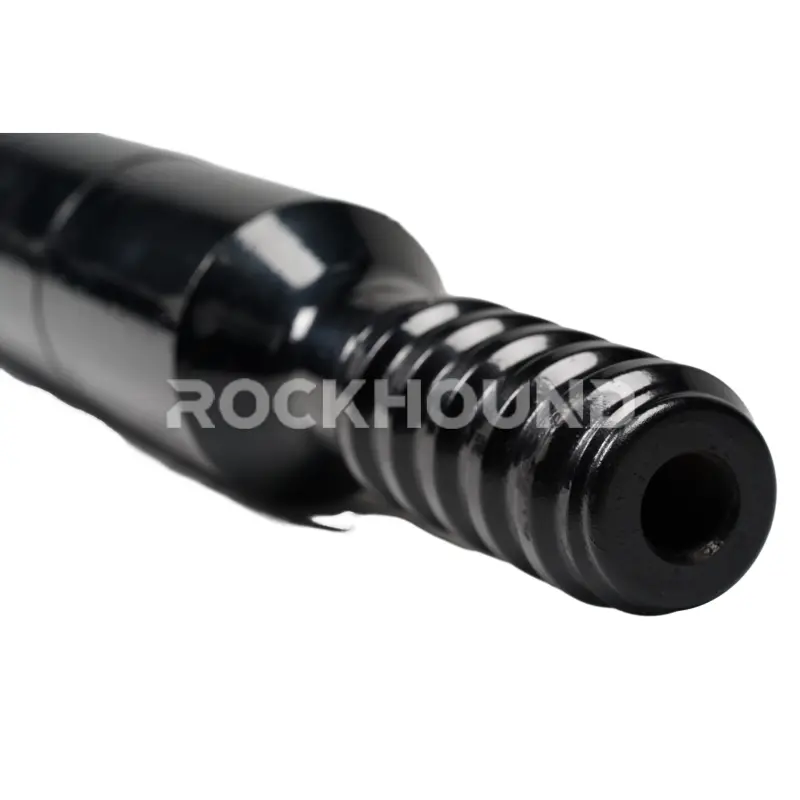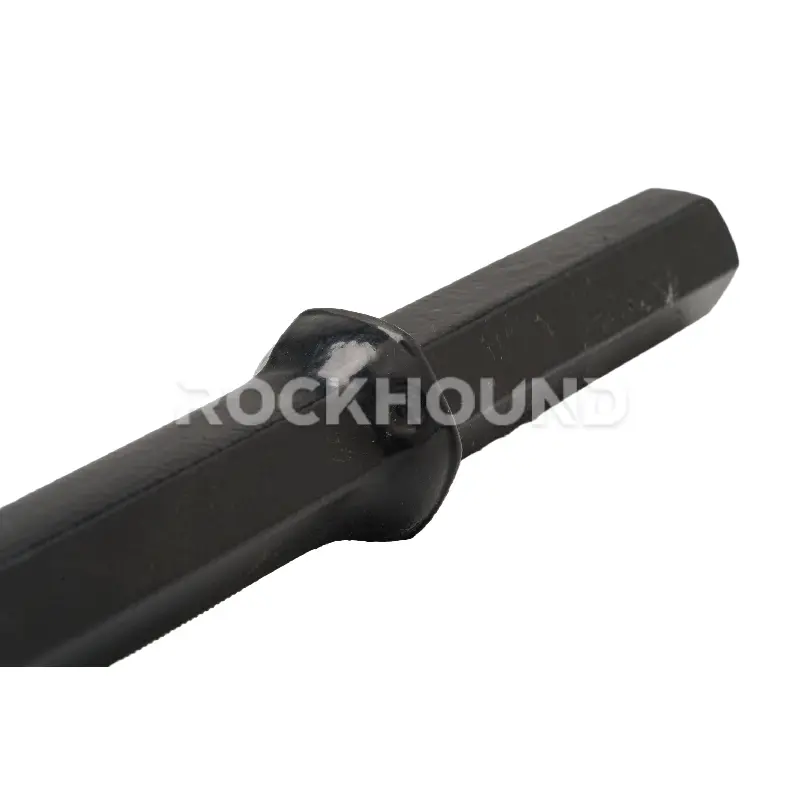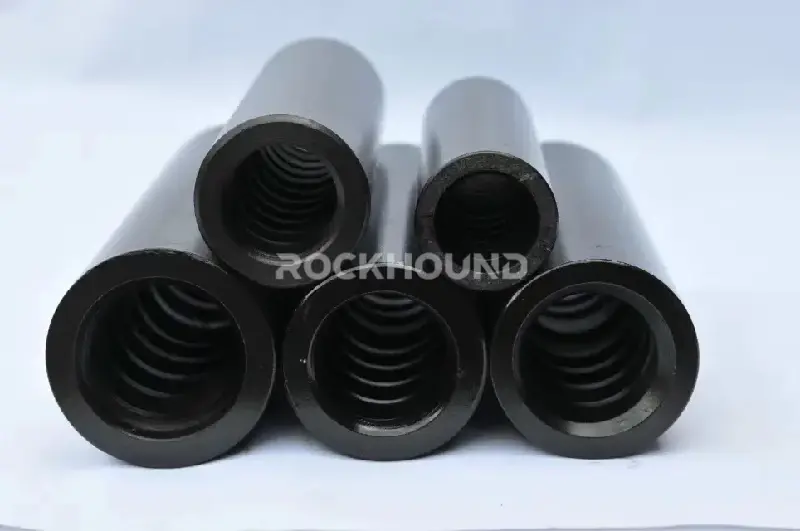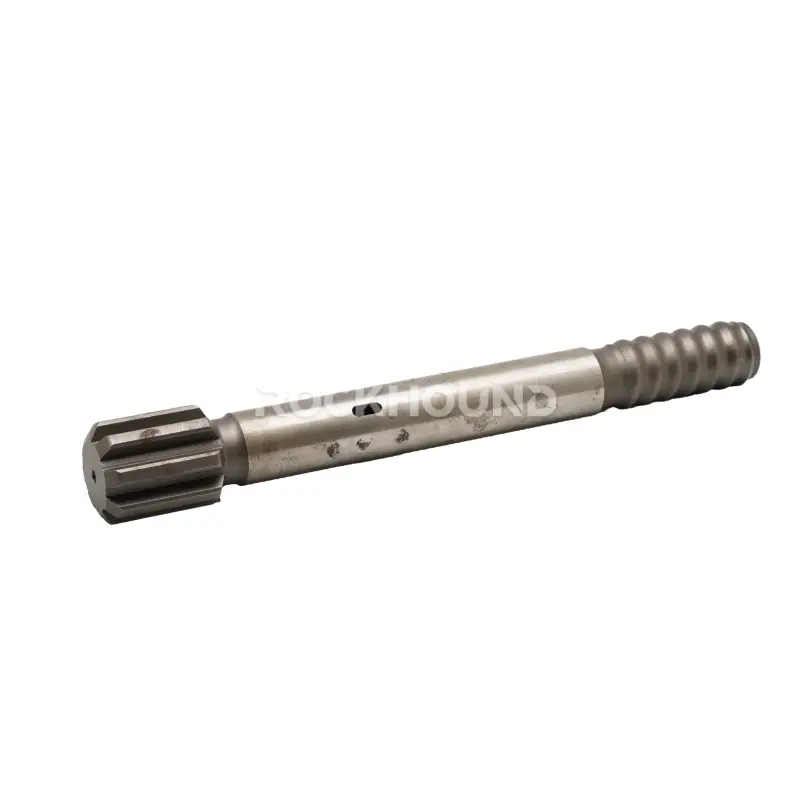
The Backbone of Drilling: Why Bit Body Quality Matters
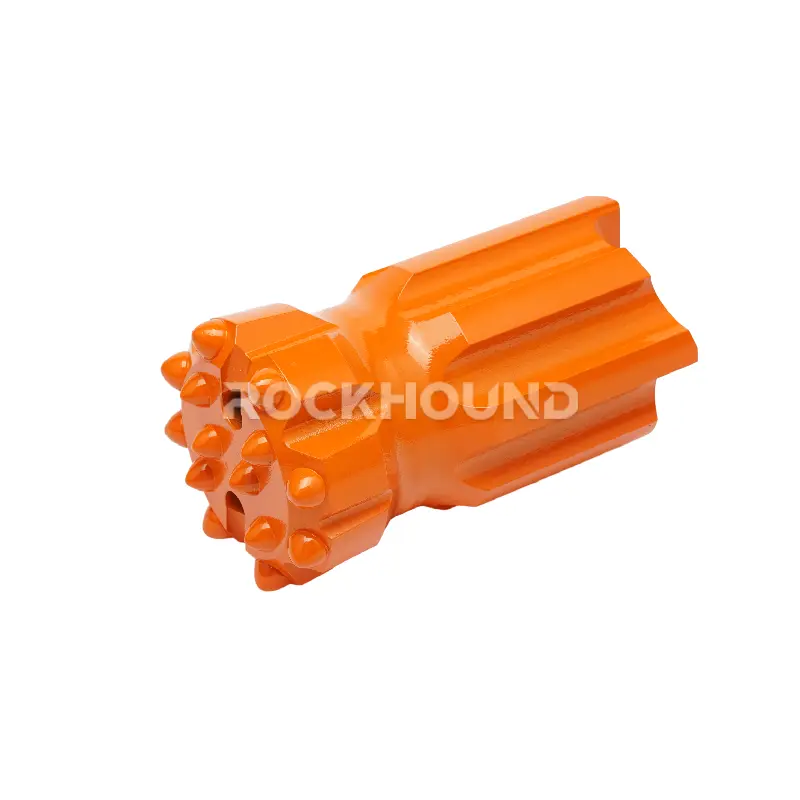
In the demanding world of rock drilling, a Thread Button Bit is only as strong as its foundation. The machining quality of the Bit Body (the “steel carrier”) directly dictates assembly reliability, impact energy transfer efficiency, and the overall service life of the tool.
1. Unified Machining Datum for Perfect Coaxiality
To ensure maximum precision, we utilize a Unified Machining Datum throughout the entire production process—from outer diameter turning to thread cutting and milling of Flushing Channels.
The Benefit: This approach eliminates deviations caused by datum switching, ensuring perfect coaxiality. This prevents uneven wear and ensures the bit remains stable under high-frequency impact loads.
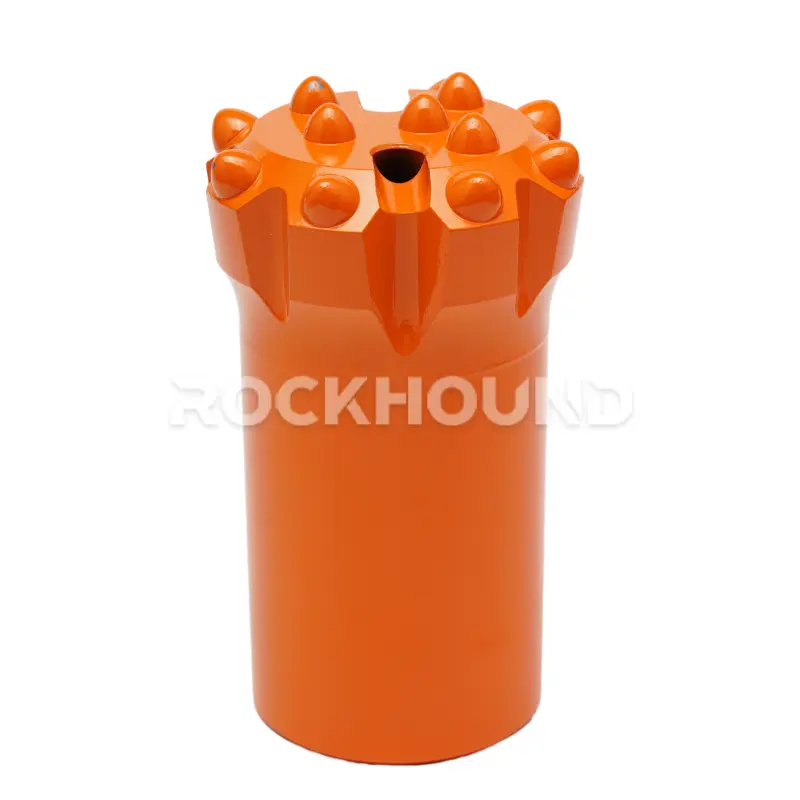
2. Precision Control of Key Components
A. Internal Threads: The Connection Core
The Internal Threads are the primary interface for energy transfer between the drill rod and the bit.
- Tolerance Control: We strictly adhere to blueprint specifications for thread dimensions and tooth profile accuracy. Excessive clearance leads to energy loss, while insufficient clearance causes seizure (sticking) during assembly or operation.
- Surface Integrity: The thread surface and relief grooves must be free of scratches, burrs, or oxide scale. After machining, these parts undergo specialized Heat Treatment to enhance fatigue resistance and surface hardness.
B. Flushing Channels and Transition Zones
Efficient chip removal is vital for drilling speed.
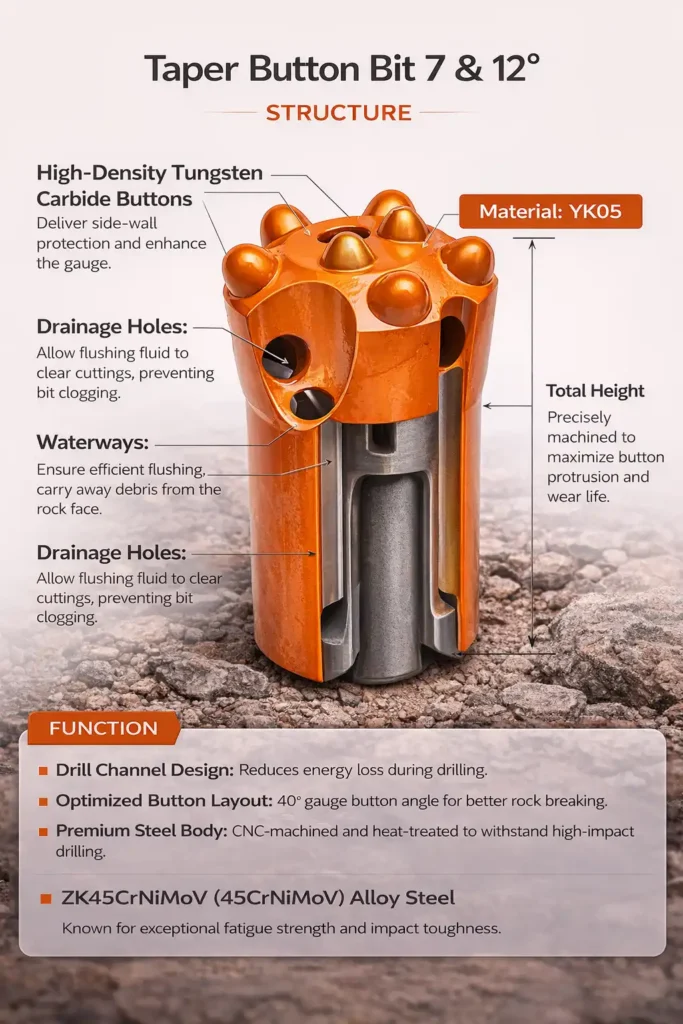
- R-Transition Design: All Flushing Channels and holes are machined with smooth R-transitions (curved radii). We strictly avoid sharp corners, which are notorious for causing cuttings accumulation and acting as Stress Concentration Points that lead to premature body failure.
- Seamless Geometry: The transitions between the taper, outer diameter, and face are processed to be perfectly smooth. A “no-step” finish, verified by touch, significantly reduces the risk of stress cracks under heavy impact loads.
3. Surface Finishing and Deburring
Even the smallest burr can compromise a drilling operation. We employ a meticulous manual grinding process using fine abrasives to treat:
Root and edges of Internal Threads.
Corners of the relief grooves. This ensures a clean, burr-free finish that prevents scratching the mating threads of the drill rod during high-torque assembly.
4. Rigorous Quality Control (QC)
- In-Process Inspection: Every critical stage involves 100% inspection. We use precision Go/No-go Gauges to verify thread accuracy, while visual and tactile checks ensure the smoothness of all transition radii.
- Final Fitment Test: Every finished bit undergoes a trial assembly with a standard master rod. The rotation must be smooth with consistent tightening torque, ensuring “plug-and-play” reliability on the job site.
5. Why Choose RockHound Manufacturing?
While many international brands rely on expensive multi-axis machining centers that offer stability but lower efficiency, the leading Chinese manufacturers have mastered a specialized decentralized process.
By utilizing dedicated high-precision equipment and robotic integration, we achieve:
World-class precision that meets or exceeds international standards.
- Higher production efficiency for faster lead times.
- Superior cost-effectiveness without sacrificing the integrity of the bit body or the performance of the Heat Treatment.
Elevate Your Drilling Performance Today
Don’t let poor machining quality drain your efficiency.RockHound precision-engineered Thread Button Bits are designed to withstand the toughest rock formations while maximizing energy transfer.
Contact our experts today for a customized solution or a bulk quote.
Realted Readings:
How Many Types of Top Hammer Button Bits
Top Hammer Button Bit: How It Works, Uses & Maintenance
Rock Drill Bits Manufacturing Process
How to Choose the Right Top Hammer Drill Bits
FAQ
The Internal Threads are the primary medium for transferring impact energy from the drill rod to the bit. If the thread tolerance is too loose, energy is lost through vibration, leading to lower drilling speeds. If it's too tight, it can cause seizure during assembly or disassembly, potentially damaging the expensive drill rod.tate natoque ut luctus inceptos.
Stress concentration occurs at sharp corners or "steps" in the machining process. Under high-frequency impact, these points are the first to develop fatigue cracks. We prevent this by ensuring all Flushing Channels and transitions have a smooth R-transition (curved radius) to distribute the load evenly across the bit body.
Flushing Channels are designed to clear rock cuttings (sludge) away from the drilling face. If the channels are poorly machined or have rough surfaces, rock powder can accumulate and cause blockages. RockHound high-precision machining ensures a smooth finish, which minimizes friction and maximizes the removal of debris.
While multi-axis centers are highly automated, China’s specialized decentralized machining (often integrated with robotics) offers a more flexible and cost-effective solution. This method allows for high-volume production with consistent quality control, providing international buyers with "premium performance at a competitive price."
RockHound use standardized Go/No-go Gauges and conduct actual Fitment Tests with master rods. This ensures that our Internal Threads meet international standards (like R32, T38, T45, T51), making them 100% compatible with major global rock drill brands.