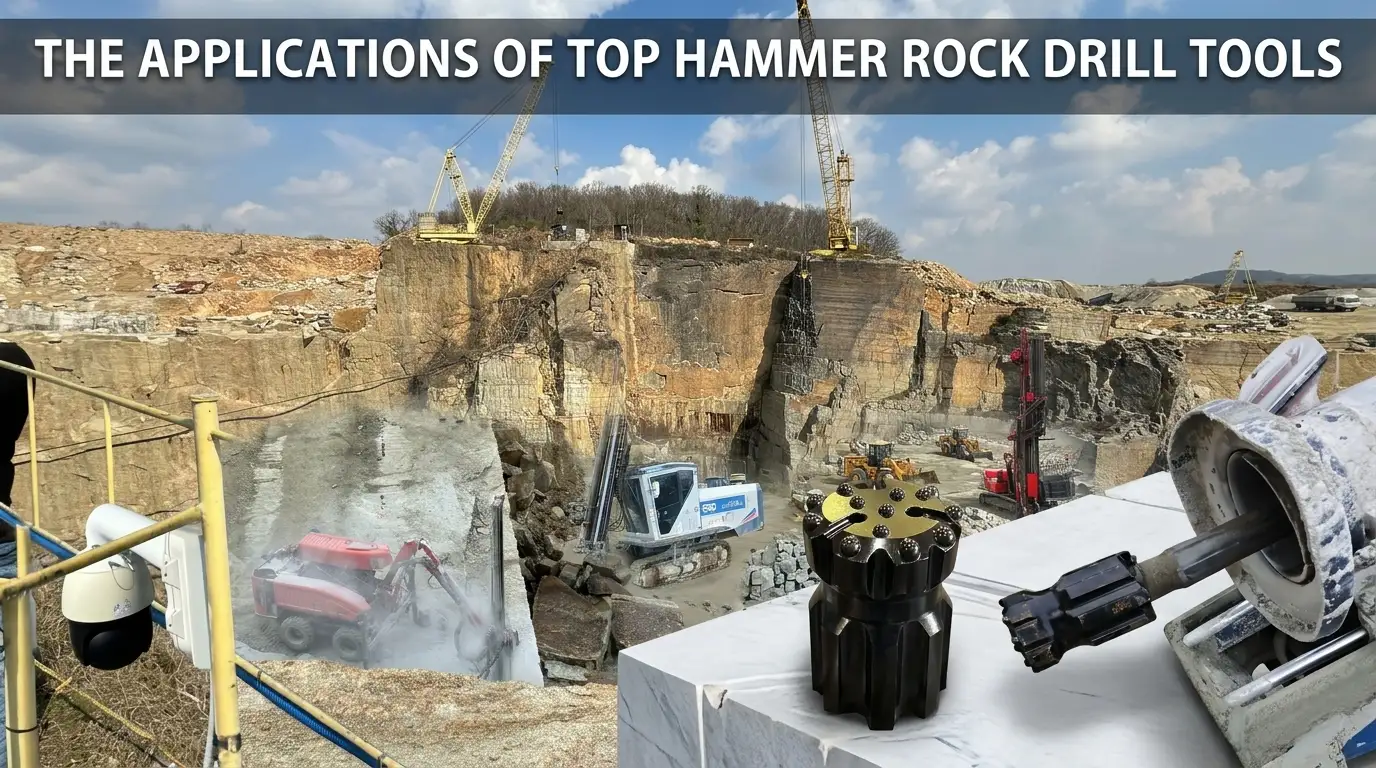
Both cross bits and button bits fall within the scope of applications for top hammer rock drill bits.Choosing between cross bit and button drill bit is rarely obvious in the field. Both cut rock. Both mount on threaded rods. Both look similar sitting on a parts shelf. The performance gap between them, however, becomes unmistakable about 50 meters into granite — or halfway through a fractured limestone bench.
This guide breaks down exactly what separates these two bit types, how each behaves under real drilling conditions, and what the numbers say about which one belongs on your drill string.
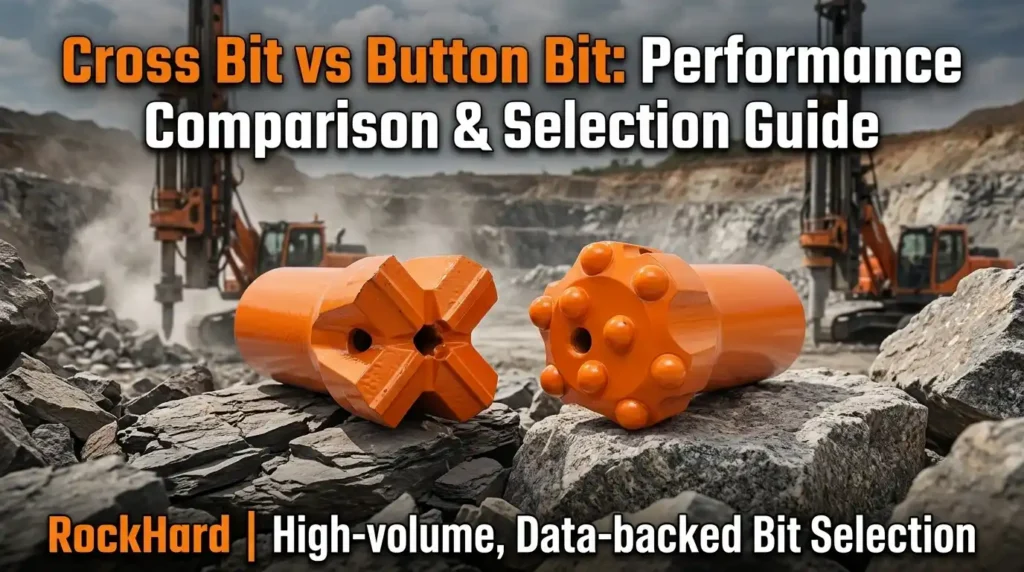
What Is a Cross Bit?
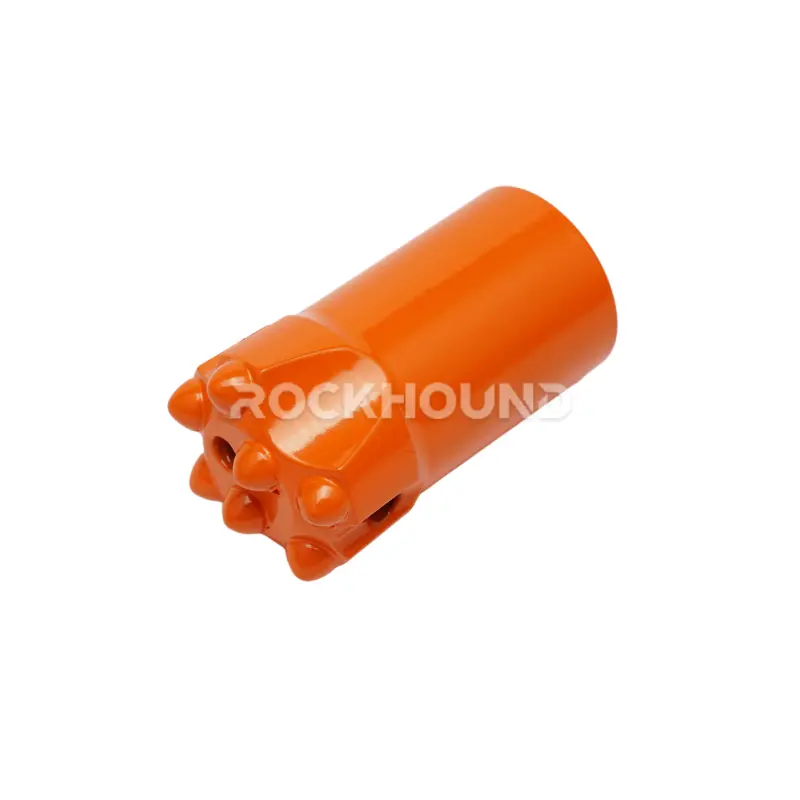
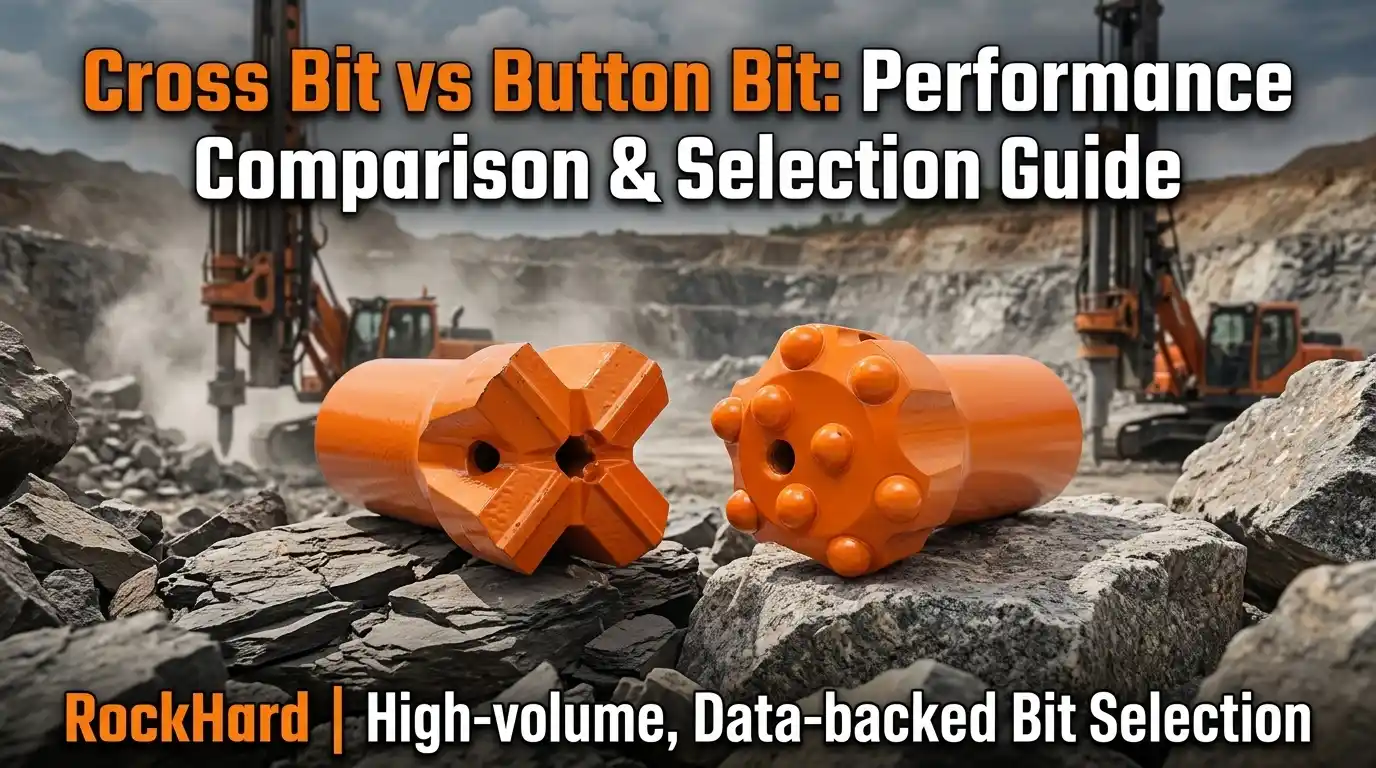
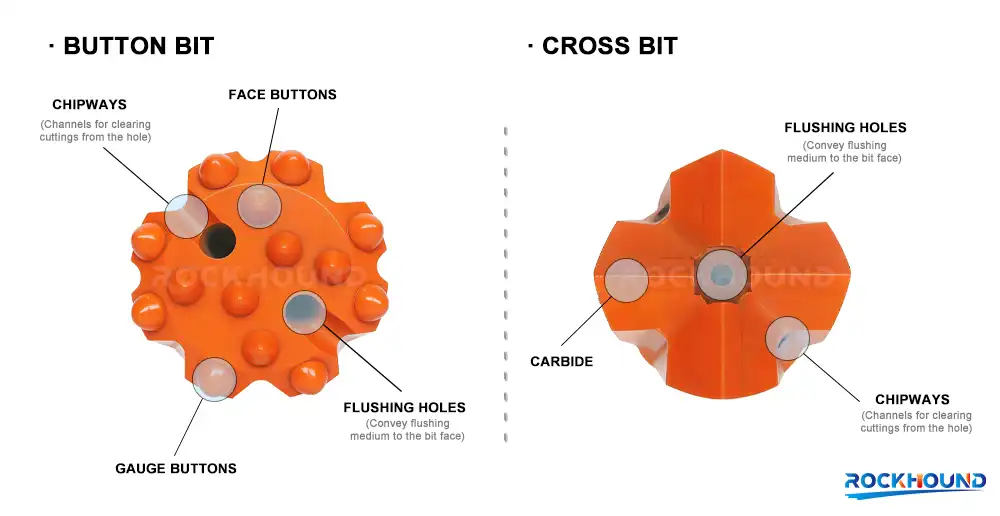
A cross bit (also called a cross drill bit or insert bit) carries four carbide inserts arranged in a symmetrical cross pattern across the face. The inserts are pressed and brazed into milled slots on the steel body, creating a fixed cutting geometry that resists radial wear exceptionally well.
The design originated from simpler chisel bits and represented a significant step forward in stability. Where a chisel tends to wander in fractured ground, the cross configuration distributes impact force across two perpendicular planes, reducing hole deviation in broken formations.
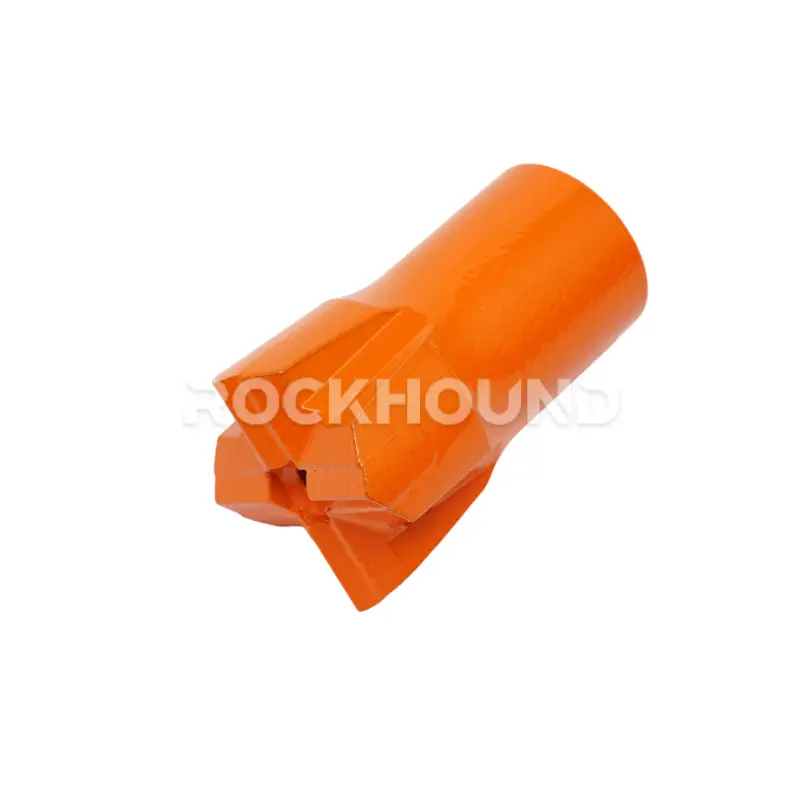
Cross bits are most effective in:
- Soft to medium-hard rock (UCS below ~100 MPa)
- Fractured, jointed, or bedded formations
- Self-drilling anchor applications in geotechnical work
- Small-diameter holes where budget per meter matters more than speed
The insert geometry is straightforward to regrind with basic tooling, which keeps maintenance costs low in remote sites or operations without dedicated bit grinding equipment.
What Is a Button Bit?
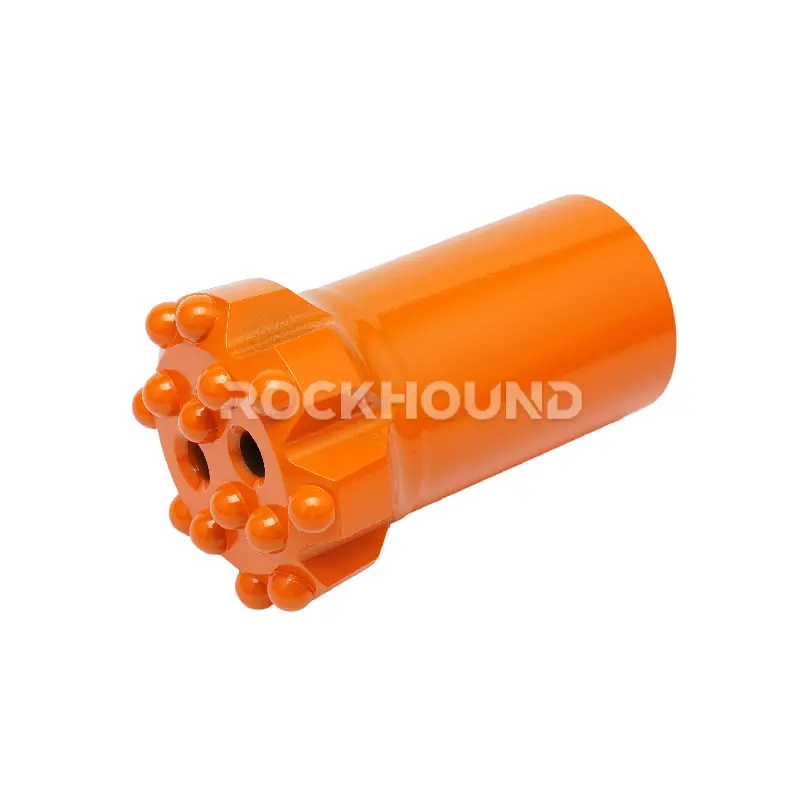
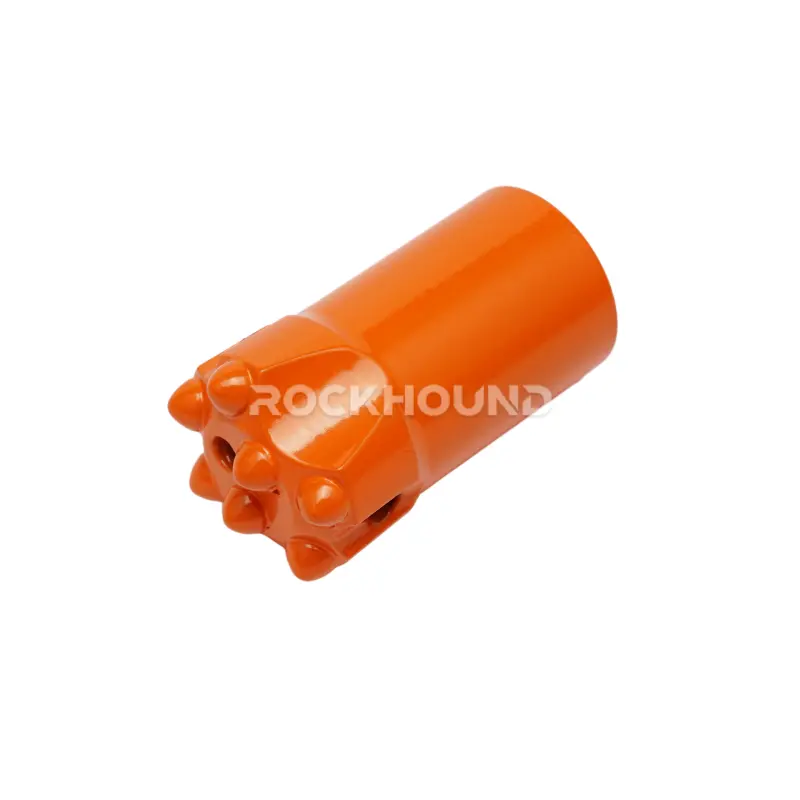
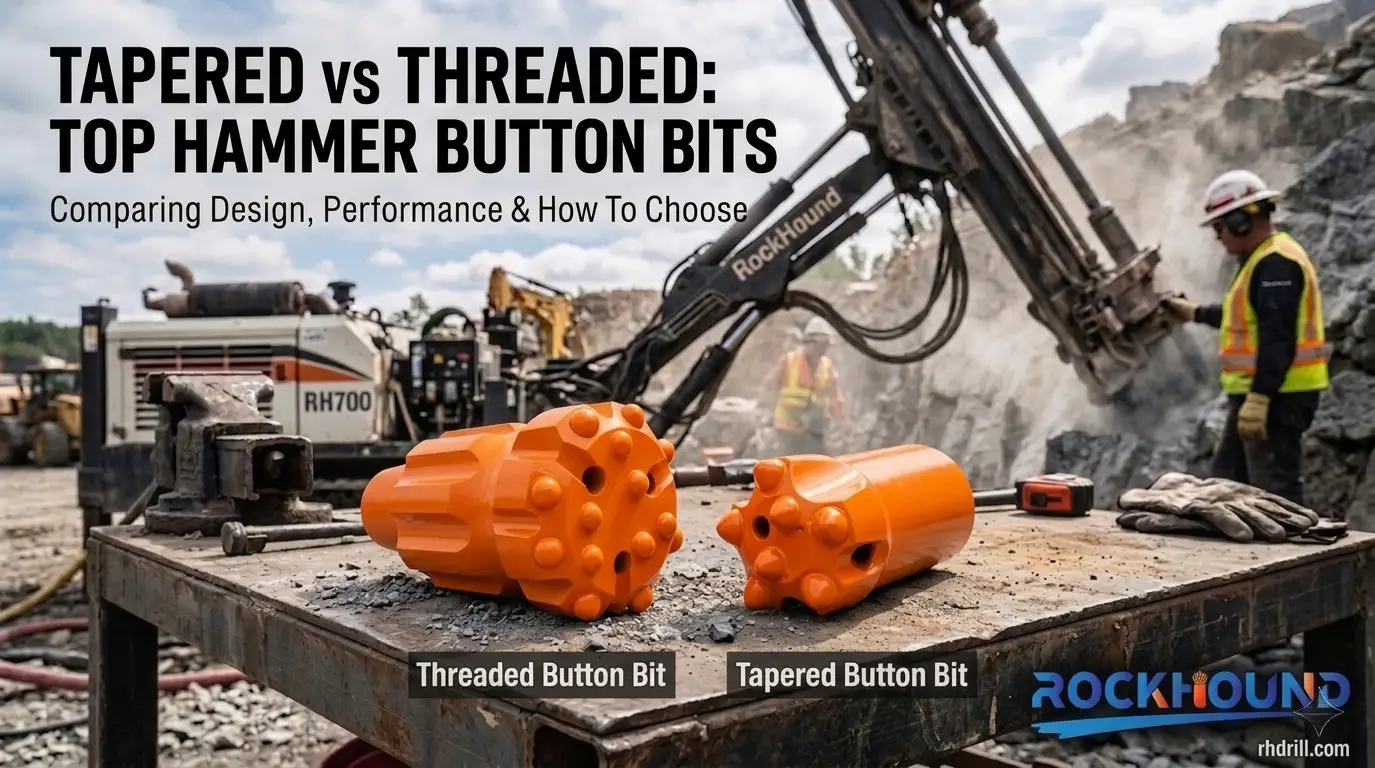
A button bit replaces brazed inserts with individually pressed tungsten carbide buttons — spherical, ballistic, or parabolic — embedded directly into precisely drilled sockets on the bit face. The result is a far greater number of cutting contact points and a geometry specifically tuned to rock hardness.
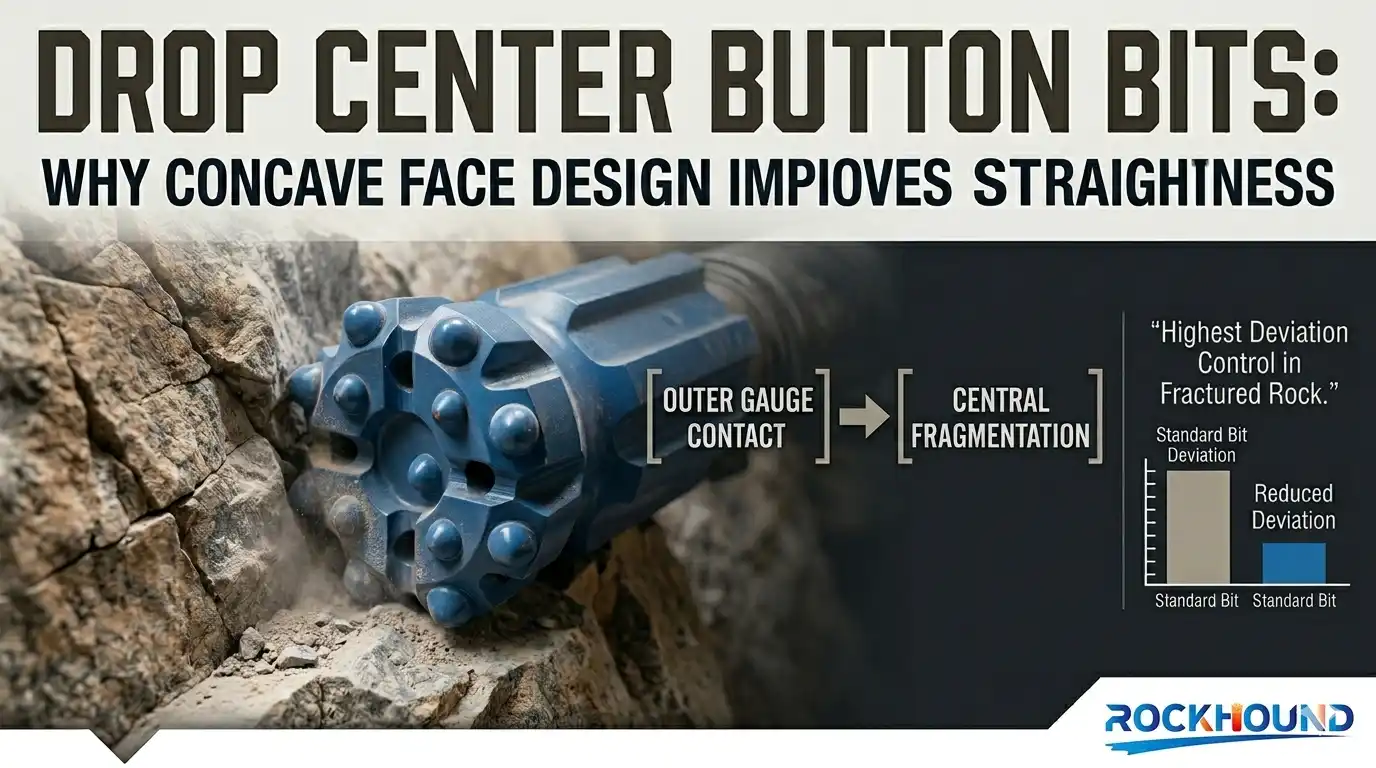
Button bits are more suitable than insert-type drill bits (cross and X-bits) for rock drills with high-impact power, offering higher drilling speed, longer service life, and producing rounder, more accurate hole profiles.
| Cross Bit (X Bit) | Button Drill Bit |
|---|---|
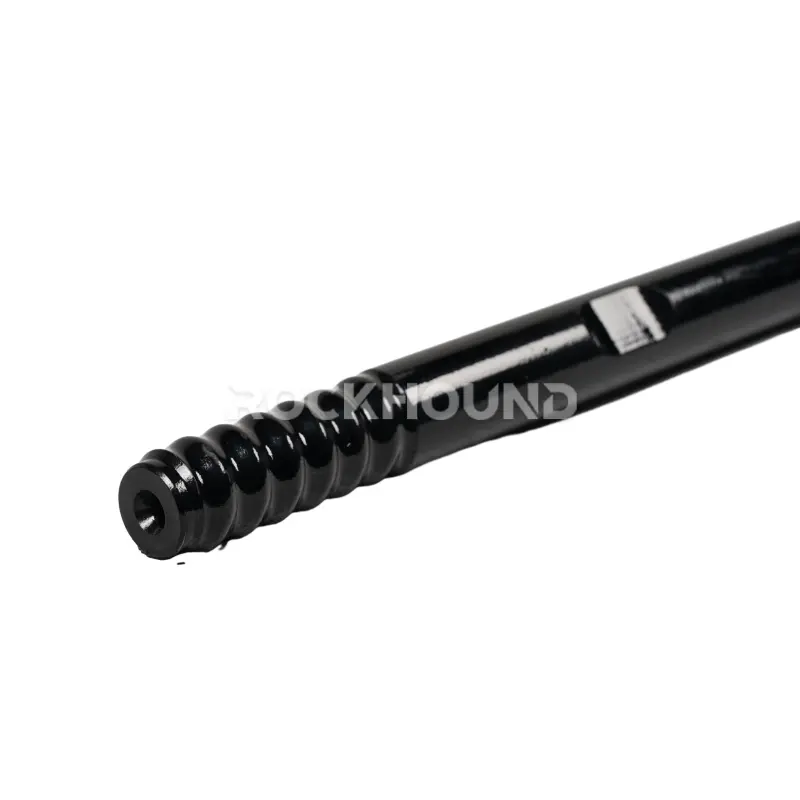
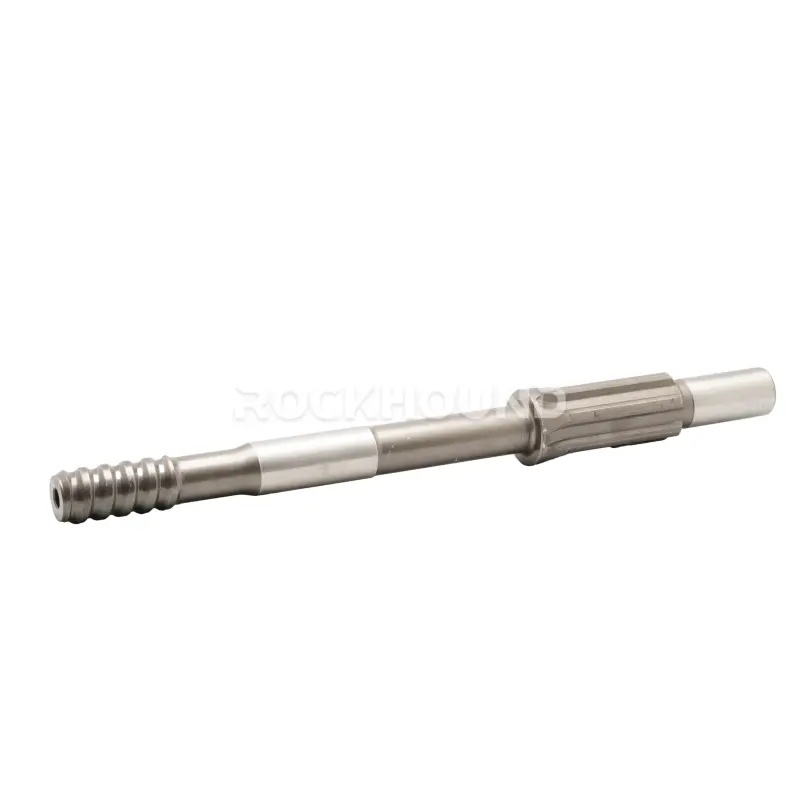
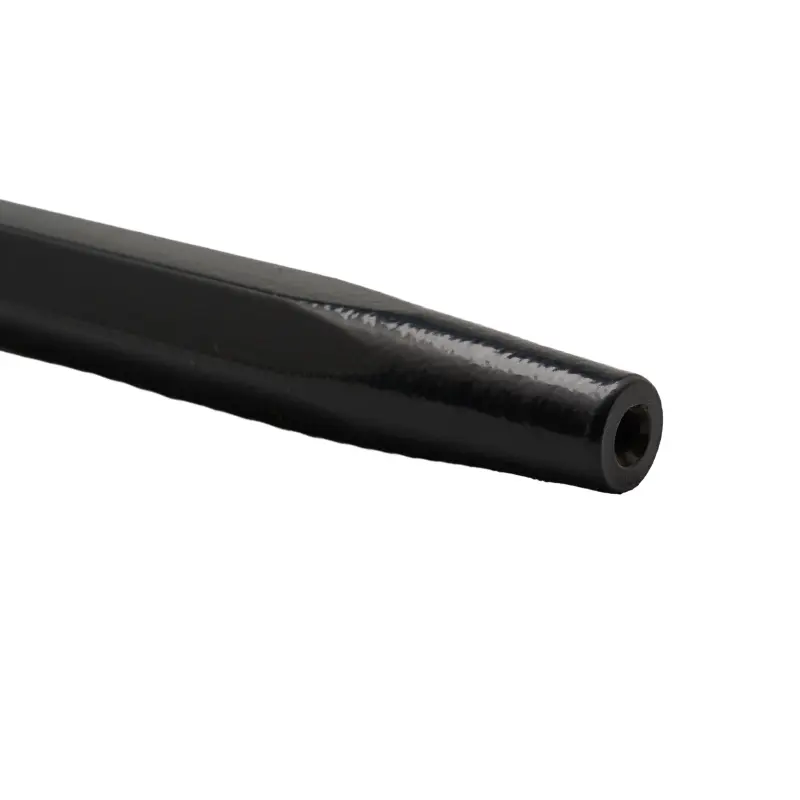
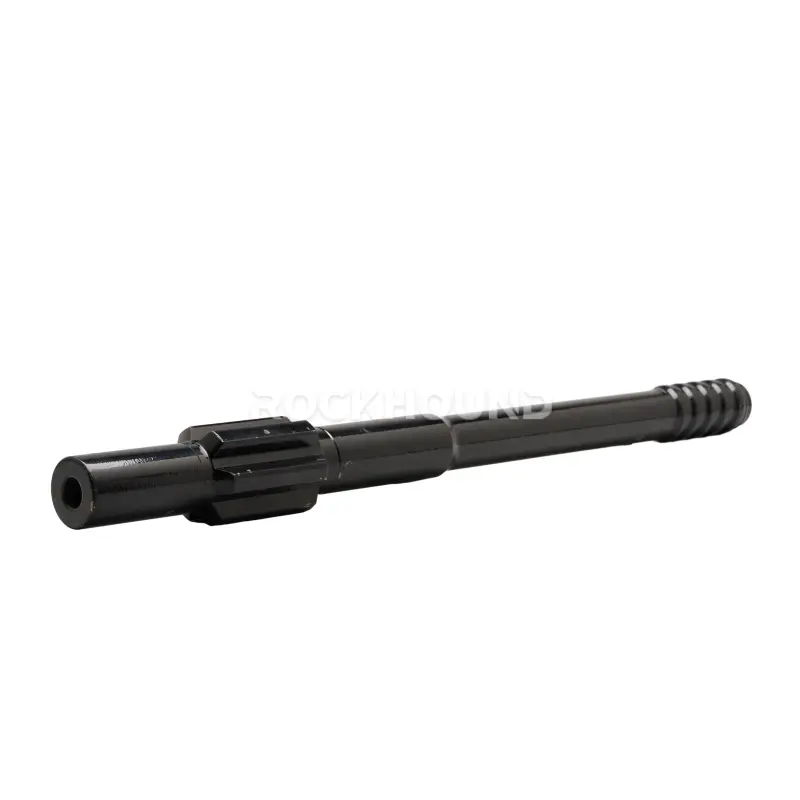
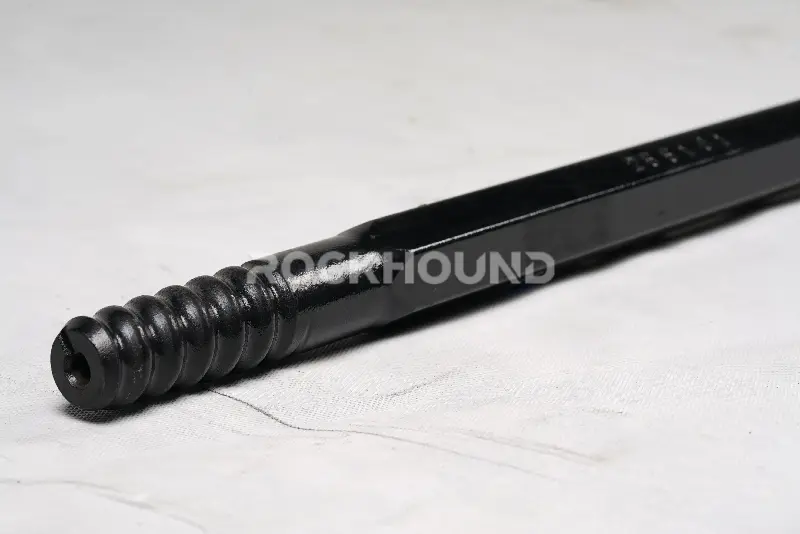
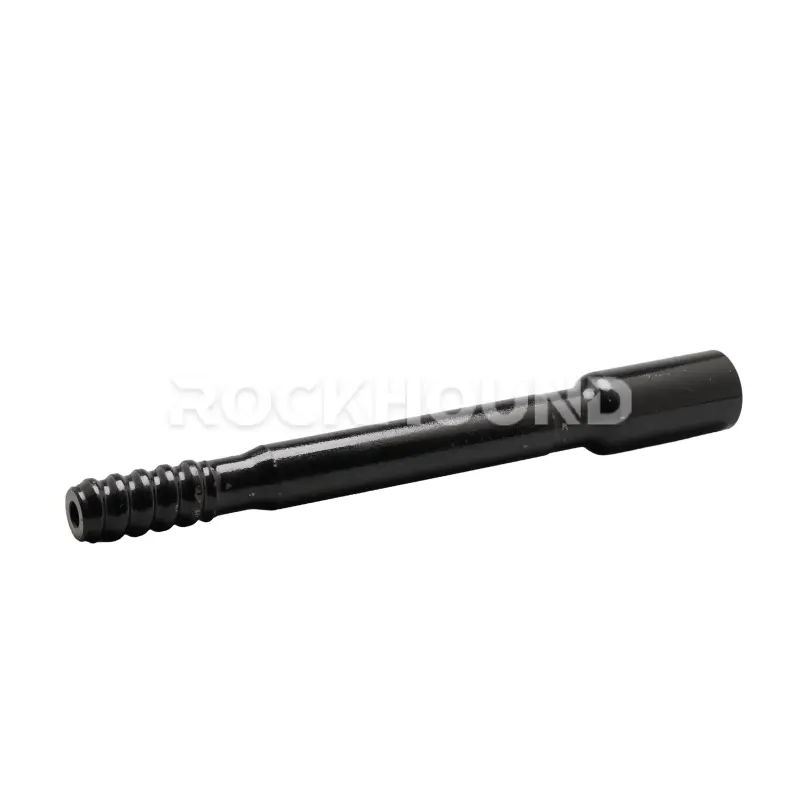
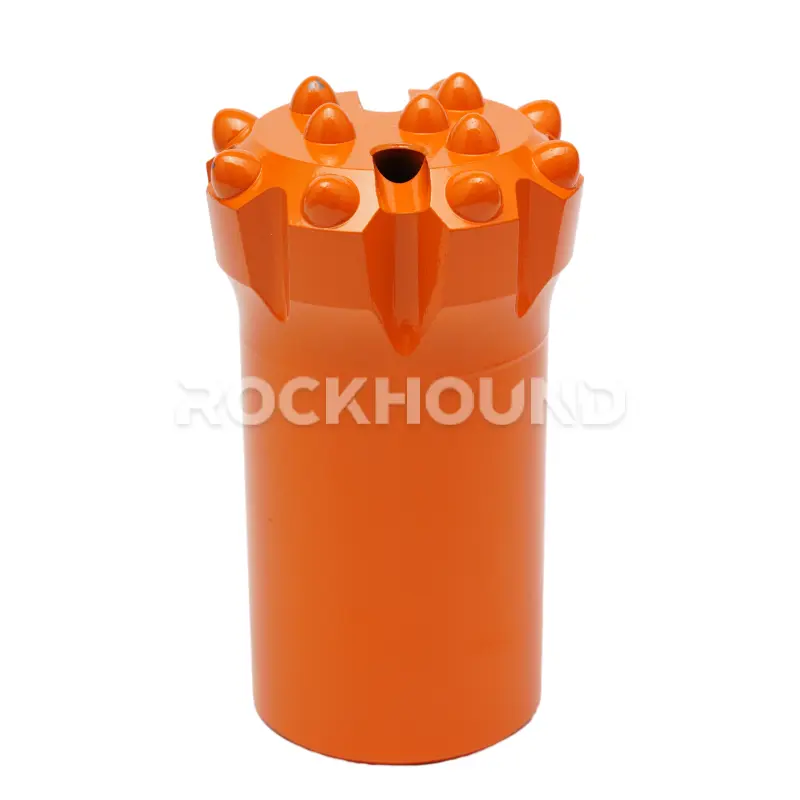
| R32 Cross Bit | R32 Thread X Bit For Top Hammer | R32 Thread Button Bits | R32 Retract Button Bits |
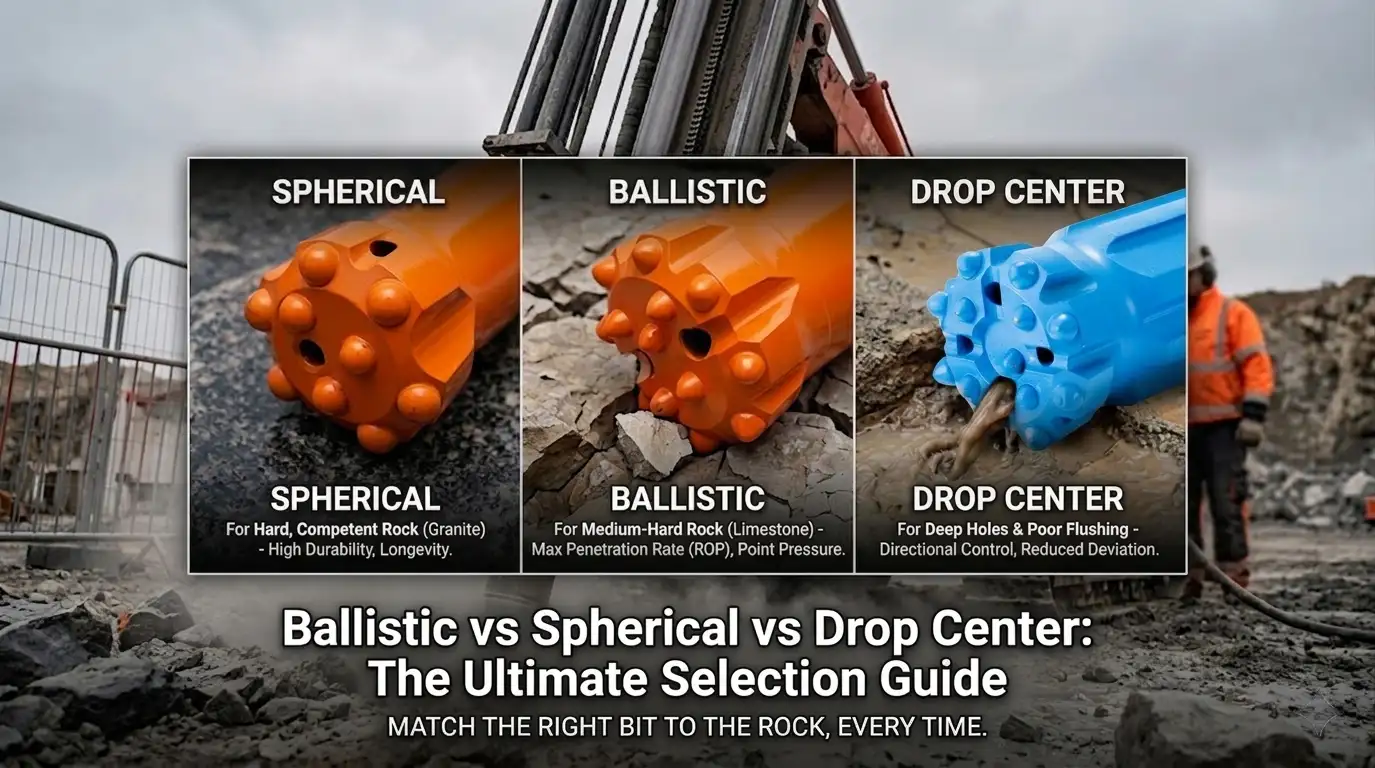
The button geometry matters. Spherical buttons withstand impact shock and are preferred for hard, abrasive formations like granite and quartzite. Ballistic profiles prioritize penetration rate and suit medium-hard rock. Parabolic shapes offer a balance between the two.
To understand how button shape selection fits into broader face design strategy, see: Top Hammer Drill Bit Types: Face Design & Button Shape
Technical Advantages & Comparative
Button bits deliver a proven velocity increase of up to 35% compared to cross bits in hard rock conditions, making them the preferred choice for high-volume, demanding operations where speed and durability are critical.
| Performance Factor | Cross Bit | Button Bit |
|---|---|---|
| Optimal Rock UCS | < 100 MPa (soft–medium) | 80–300+ MPa (medium–very hard) |
| Penetration Rate | Moderate | Up to 35% faster in hard rock |
| Service Life | Shorter; inserts prone to breakage in hard ground | Significantly longer; buttons self-sharpen during drilling |
| Hole Accuracy | Good in fractured rock | Superior; rounder profiles, less deviation |
| Regrinding | Simple; basic equipment sufficient | Requires dedicated button grinder |
| Upfront Cost | Lower | Higher |
| Cost-Per-Meter | Higher long-term in hard rock | Lower over full service life in hard formations |
| Typical Applications | Anchor systems, soft rock, small-diameter holes | Mining, tunneling, quarrying, deep-hole bench drilling |
| Abrasion Resistance | Moderate (radial wear resistance is the strength) | High; carbide grade tuned to formation |
The table above tells a straightforward story: cross bits win on simplicity and initial price; button bits win on almost every performance metric in hard or abrasive ground.
For a detailed look at the materials and heat treatment behind long service life, see: Rock Drill Bits Manufacturing Process
Selection Guidelines
Match the bit to UCS, not just rock name
A limestone formation sounds “soft” until you measure it. Reef limestones and silicified variants can exceed 150 MPa UCS — well into button bit territory. Cross bits are suitable for soft to medium-hard rocks, while button bits offer better performance in harder formations with longer service life.
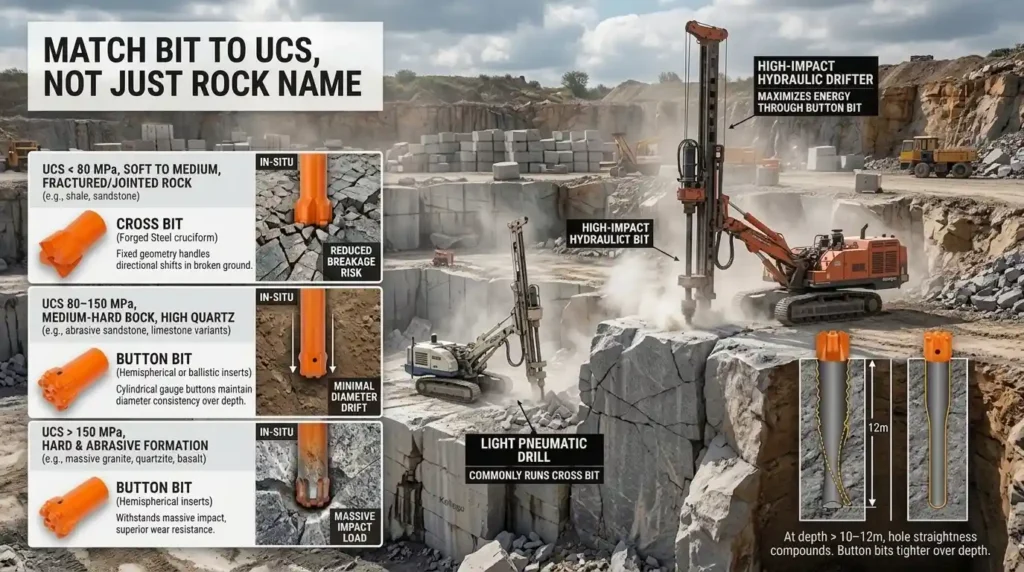
A practical decision framework:
- UCS < 80 MPa, fractured or jointed → Cross bit. The fixed insert geometry handles directional shifts in broken ground without the button breakage risk.
- UCS 80–150 MPa → Evaluate abrasion. High quartz content accelerates insert wear; move to button bit with ballistic profile.
- UCS > 150 MPa (granite, quartzite, basalt) → Button bit with spherical inserts. Granite typically features UCS of 150–300 MPa and strong abrasiveness, which leads to heavy impact loads and rapid wear on drill bits; spherical buttons offer superior impact resistance and wear resistance in these conditions.
- Self-drilling anchors or geotechnical applications → Cross bit standard. The design integrates cleanly into the anchor rod system where cost-per-unit and simplicity matter most.
Consider drilling depth and rod length
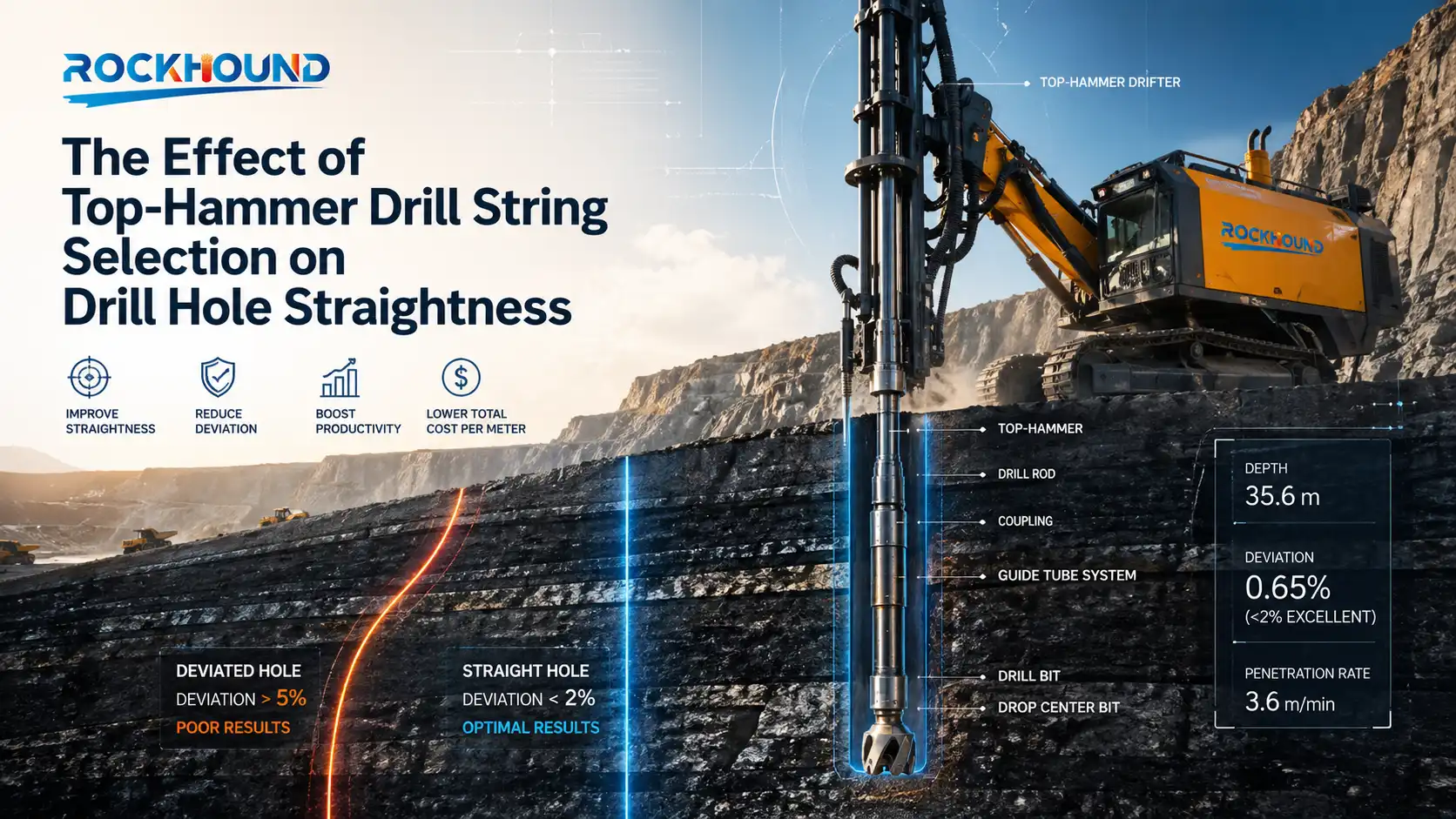
At depths beyond 10–12 meters, hole straightness compounds. A minor deviation at 3 meters becomes a significant problem at 15. Button bits maintain tighter hole profiles over depth because the cylindrical gauge buttons maintain diameter consistency as the bit wears. Cross bits, once the inserts wear unevenly, are more prone to reaming and diameter drift at depth.
For a complete decision framework: How to Choose the Right Top Hammer Drill Bits
Impact energy and drill rig compatibility
Cross bits and X-bits are suitable for drilling fractured and abrasive rock formations under high-impact power conditions, with strong resistance to radial abrasion — while button bits are better matched to the highest-impact-energy rock drills.
Light pneumatic drills commonly run cross bits. Medium and heavy hydraulic drifters — the kind doing production blasthole or development drives — maximize their energy through button bits. Mismatching a light rig to a button bit doesn’t yield button bit results; it just adds cost without the penetration benefit.
Applications Overview
Cross drill bits are standard in:
| Performance Factor | Cross Bit | Button Bit |
|---|---|---|
| Optimal Rock UCS | < 100 MPa (soft–medium) | 80–300+ MPa (medium–very hard) |
| Penetration Rate | Moderate | Up to 35% faster in hard rock |
| Service Life | Shorter; inserts prone to breakage in hard ground | Significantly longer; buttons self-sharpen during drilling |
| Hole Accuracy | Good in fractured rock | Superior; rounder profiles, less deviation |
| Regrinding | Simple; basic equipment sufficient | Requires dedicated button grinder |
| Upfront Cost | Lower | Higher |
| Cost-Per-Meter | Higher long-term in hard rock | Lower over full service life in hard formations |
| Typical Applications | Anchor systems, soft rock, small-diameter holes | Mining, tunneling, quarrying, deep-hole bench drilling |
| Abrasion Resistance | Moderate (radial wear resistance is the strength) | High; carbide grade tuned to formation |
Both bit types operate within the broader top hammer drilling method. For a foundational overview: What Is Top Hammer Drilling? The Complete Guide
The maintenance routines also diverge significantly. Button bits require regular grinding with a button grinder to restore carbide protrusion. A worn-flat button converts from a cutting element into a friction surface, killing penetration rate and generating excess heat. Cross bit inserts are simpler to dress but should be inspected for insert cracking after each shift in hard ground. Full maintenance guidance: Top Hammer Button Bit: How It Works, Uses & Maintenance
Conclusion
The cross bit vs button bit decision is a geology question before it is a cost question. Cross drill bits are versatile and effective in different rock drilling conditions, from medium-hard to hard formations, making them suitable for general construction, mining, and quarrying where durability and consistent performance are key — while button bits are the preferred choice where impact energy and penetration rate are the dominant priorities.
Match the bit to the rock. Measure UCS where possible. Factor in hole depth and rig impact class. Then the “right” answer becomes a straightforward specification, not a guess.
RockHound manufactures top hammer button bits and cross bits in full thread range configurations, with YK05 carbide and 45CrNiMoVA alloy steel bodies. Contact our technical team for application-specific recommendations.
FAQ
The primary difference lies in the carbide insert design and application:
Cross Bit: Uses four brazed carbide inserts in a fixed cross pattern. Best for softer, fractured formations and simple anchoring.
Button Bit: Uses multiple individually pressed tungsten carbide buttons. Engineered for harder rock and high-impact drifters.
No, not effectively. Granite is highly abrasive with a compressive strength typically exceeding 150 MPa UCS. Cross bit inserts will wear out rapidly, fracture, or cause severe hole deviation. Granite requires a button bit equipped with spherical inserts.
Button bits last significantly longer in medium-hard to hard rock. Their self-sharpening button geometry and the ability to repeatedly regrind carbide protrusion extend service life far beyond what brazed cross inserts can achieve.
Only in upfront purchase cost. In hard or abrasive rock, cross bits have a much higher cost-per-meter due to rapid wear, frequent replacements, and slower penetration rates (ROP).
Opt for a cross bit only under the following conditions:
Drilling soft sedimentary rock ($< 80\text{ MPa UCS}$).
Operating self-drilling anchor (SDA) systems.
Projects requiring low initial capital cost and simple onsite maintenance without specialized grinding gear.